The Problem
Turner Broadcasting had a black hole.
From 1 A.M. to 5 A.M. on TBS, nothing aired. Dead air. A block of time that neither earned nor lost money—expensive infrastructure sitting dark, zero utilization.
The question: What could you build in a space where failure costs nothing?
The Bet
Four of us staked our jobs on a $450,000 proof of concept. We built prototypes—platform architecture, content strategy, community infrastructure—and pitched them through a corporate culture that didn't take risks on things it couldn't tie to cable advertising. Pitching an internet comedy network to Turner executives in 2006 was like explaining punk to your parents. The words all make sense individually. The combination produces concern.
When the prototypes proved the idea could work, Turner funded it: $22 million over two years. Content budget. Marketing budget. People budget. Super Deluxe became Turner's first network not attached to a cable channel.
We were positioned as Adult Swim's younger brother. That framing was wrong. We could curse. We could show cartoon penises—I know because I argued with Standards and Practices about it, which is a sentence I never expected to say in a professional context and am now putting in a portfolio. We weren't the kid sibling. We were a peer.
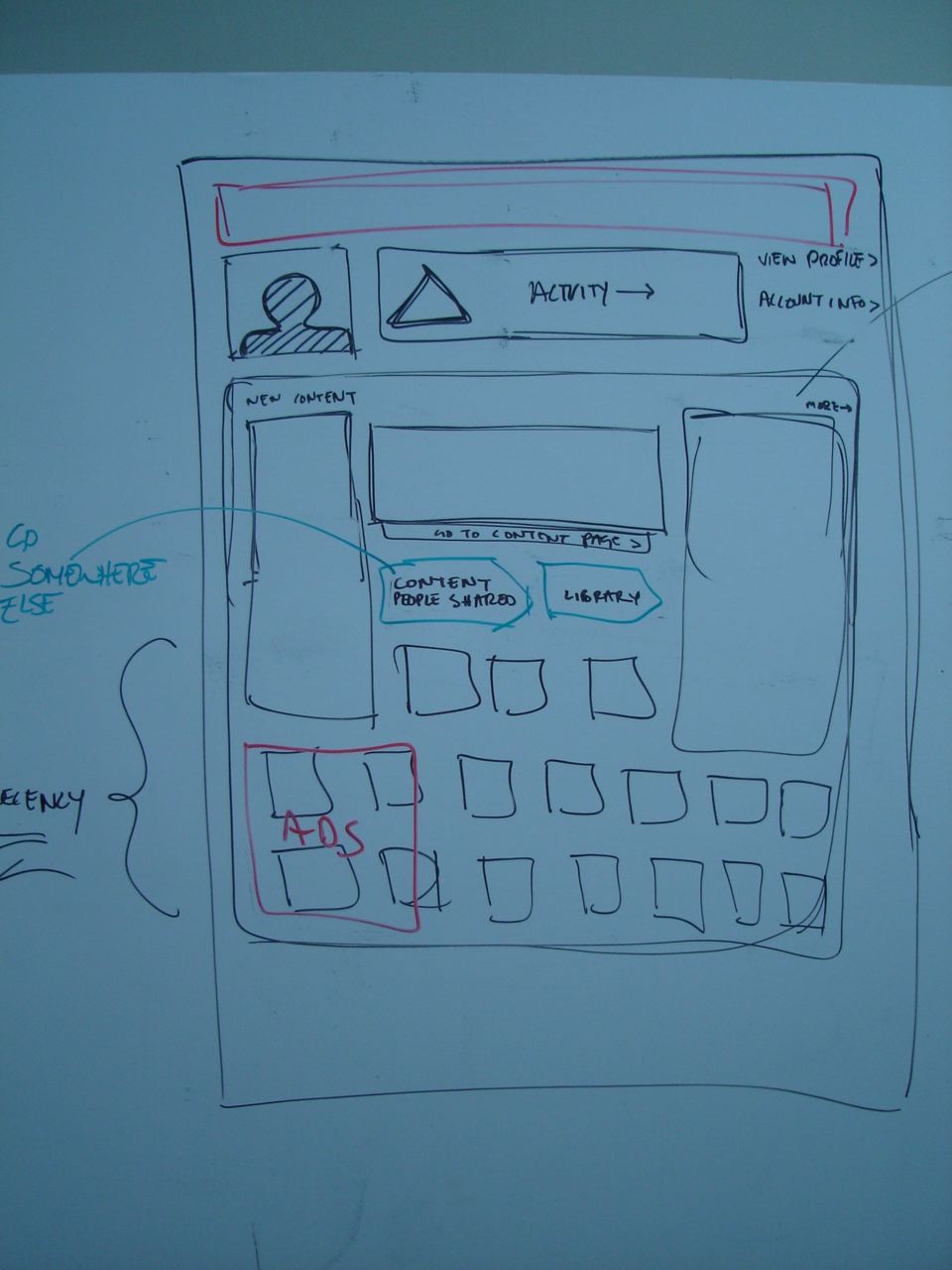
The System
The Talent Pipeline
We solicited professional content through Turner's relationships with creators. But the system was open. Anyone could submit. Brad Neely's "Washington" arrived on a DVD mailed to our office. It was so stunning and strange and good that we dropped a 60-episode deal on him. He became our breakout star. "China, IL" debuted on Adult Swim—proof that the pipeline from internet weird to broadcast television actually worked.
I couldn't watch TV without seeing people we'd worked with: Dave Hill, Ben Schwartz, Jenny Slate, Maria Bamford, Devin Flynn. The talent discovery system was real. It found people before the mainstream did. A system that identifies talent before it has a price is a system that creates value from nothing. Which is what we were doing with the dead air in the first place.
The Editorial System
Professional content was driven by editorial judgment first, metrics second. We had things we loved that never got huge numbers. We had things that performed that we wouldn't have commissioned. The judgment call was knowing which mattered more—and when.
I used audience response to define what "Super Deluxe weird" actually meant. What got praise, what got engagement, what generated the kind of response that meant people cared—that became the taste profile. Then I actively recruited against it. When we found our voice, I brought Neely in to help curate. The talent became part of the discovery system.
The Community
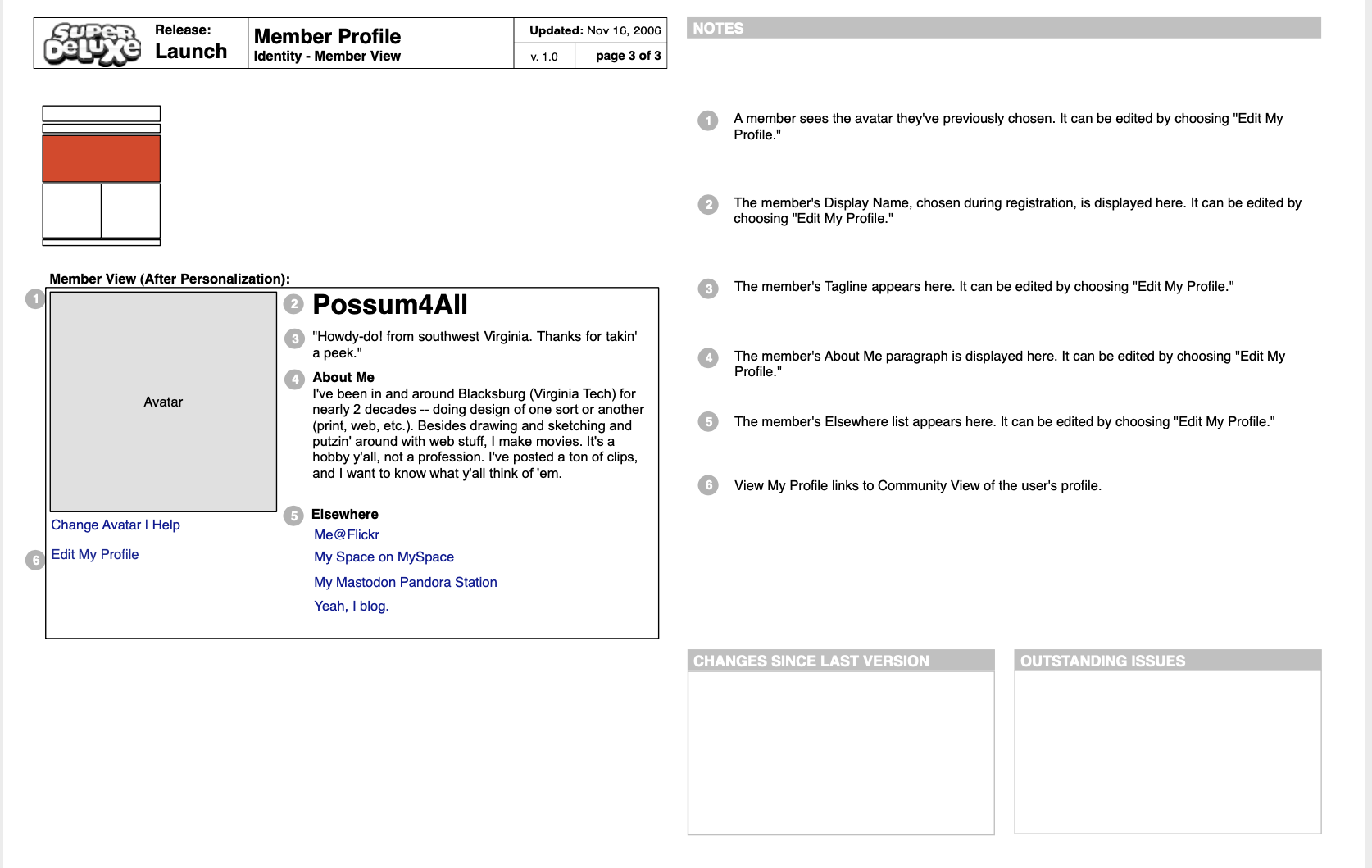
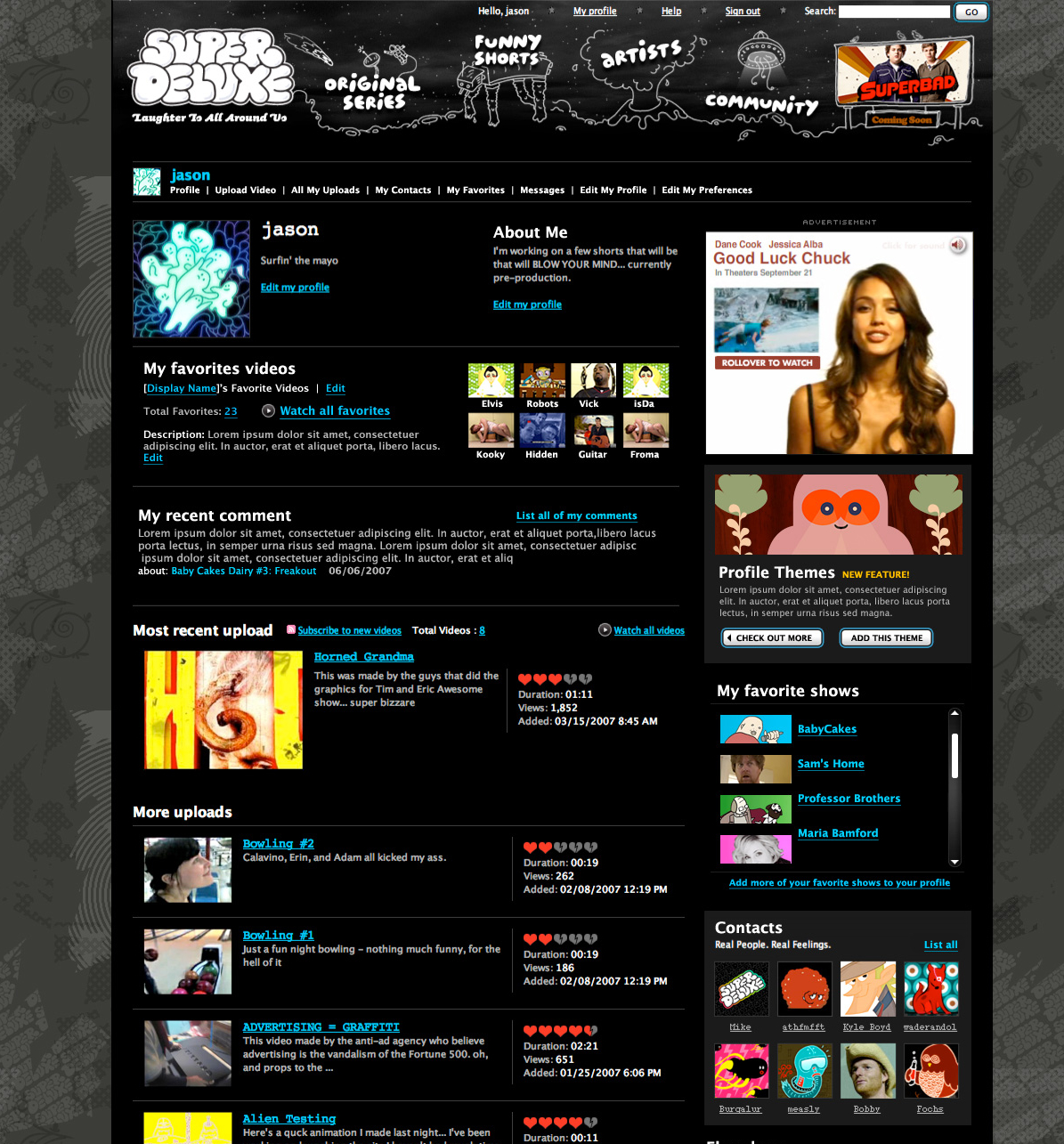
User-generated content sat alongside professional programming. Same stage, same audience. A three-person team—my team—reviewed everything that came in. Most of it was garbage or reposts from elsewhere. What wasn't got promoted: our blog, our social channels, programmed into the community section, featured on widgets sitewide.
The best part was what the community made with our IP. People singing Neely's songs. Remixing our content. The platform wasn't just distributing culture—it was generating it.
What Happened
We built a brand from nothing to 2 million uniques a month. Beat VH1 and Funny or Die to market—in both timing and quality. Gawker tagged us "The Internet's Arrested Development."
The culture worked. The business didn't.
Ad buyers wanted Adult Swim—the established brand with the proven demo. Super Deluxe couldn't sell against its own sibling. Then 2008 hit. The economy crashed. Turner killed everything not tied to cable advertising revenue. 32 of 33 of us lost our jobs. The content library was absorbed into Adult Swim.
The body was buried three times. It stayed down on the third.
Why It Still Matters
Super Deluxe proved three things:
You can build culture in dead space. Infrastructure sitting idle isn't a cost center—it's a canvas. Four people and $450K turned dead air into a platform that found talent before the mainstream did.
The talent pipeline works. A DVD in the mail became a 60-episode deal became a show on Adult Swim. The system created a path from unknown to broadcast. That path was real and repeatable.
Cultural success and commercial viability are different problems. We built something people identified with—not just something they used. But we couldn't sell ads against it in a corporate structure that only valued cable. Identification doesn't show up on a rate card. The proof of concept held. The business model didn't.
This is where I learned that building something people care about is necessary and insufficient. The system has to survive the organization it lives inside. Every project since has carried that lesson. Build the system. Know it might not survive. Build it anyway.